Teaching with a multi-head microscope
Five or ten people looking at the same field changes how pathology is taught and discussed. What to plan for before you buy one.
Teaching pathology, microbiology and histology means showing many students the same field, then giving each of them a microscope of their own. This shortlist covers both the demonstration room and the practical lab.
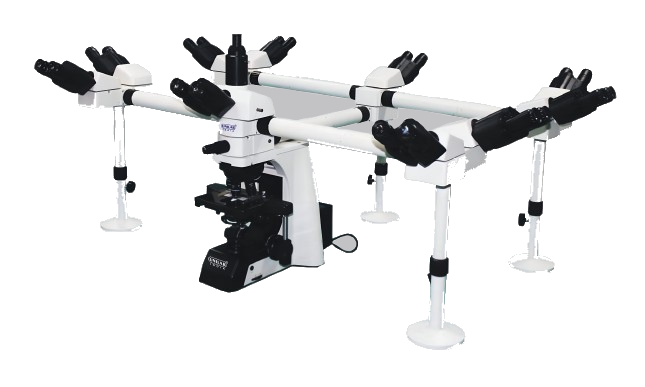
Best for: Conferences, seminars and group consultations
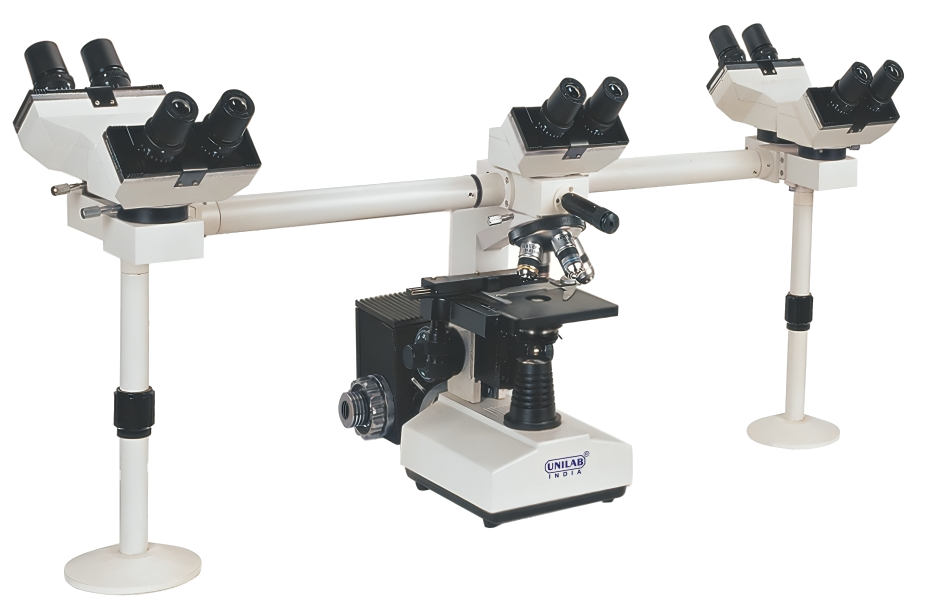
Best for: Teaching, pathology review and case discussion
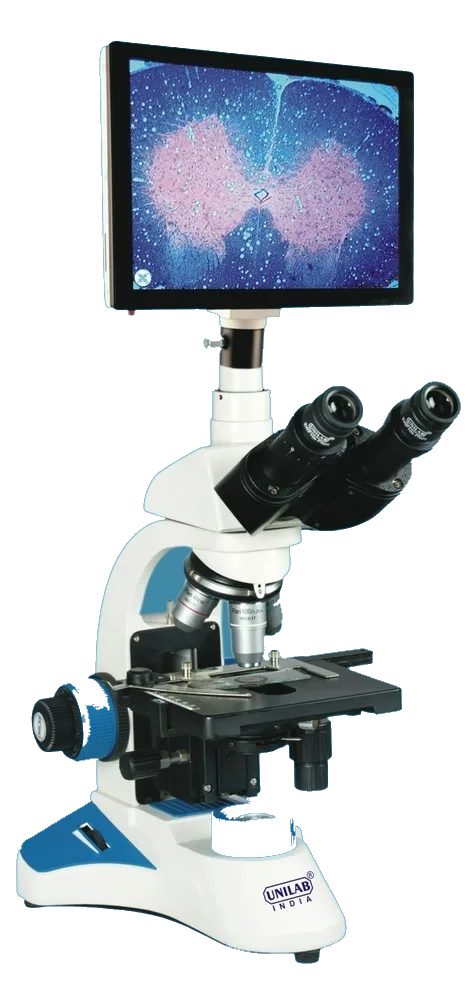
Best for: Digital imaging
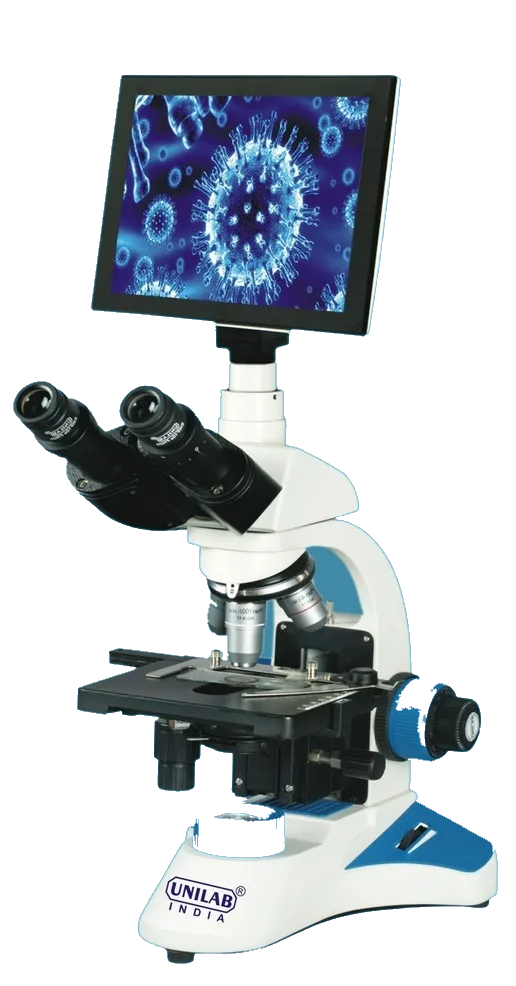
Best for: Digital imaging
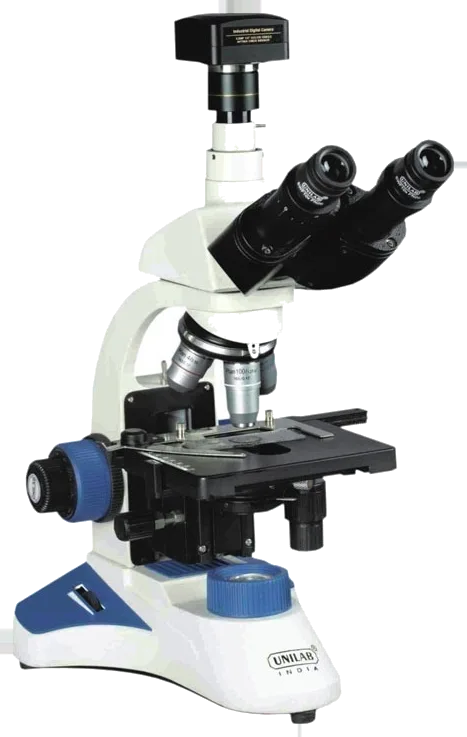
For pathological observation.
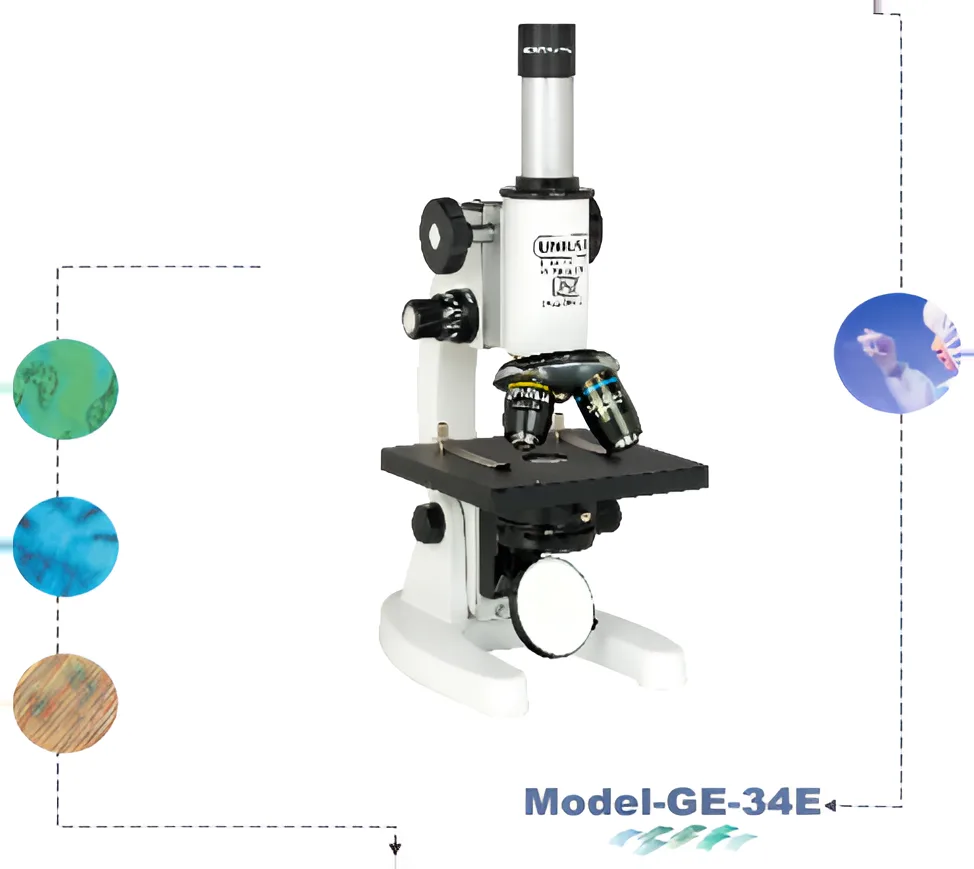
Used for fundamental biological observation and learning in schools and student laboratories.
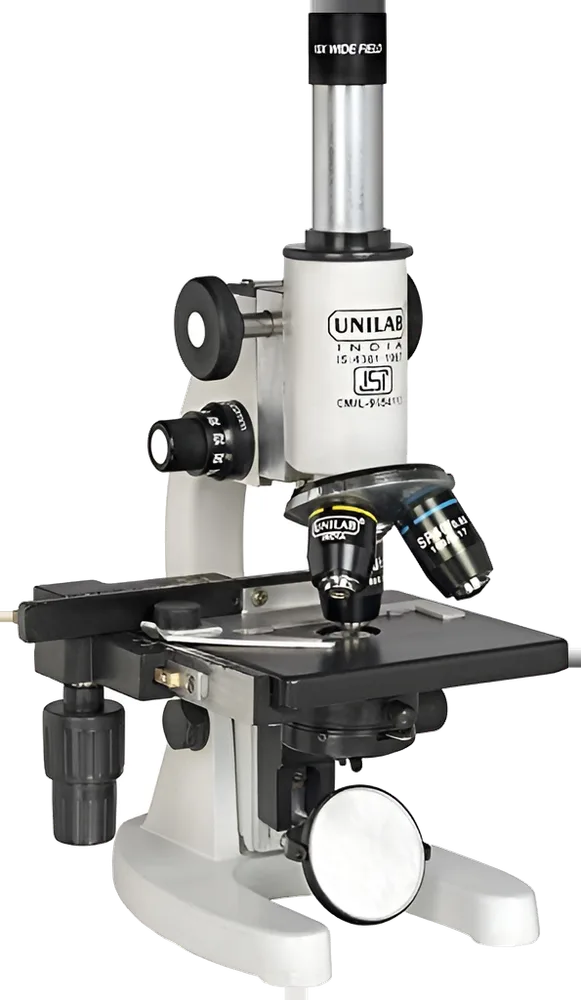
Used for routine clinical examination and detailed analysis of medical specimens in pathology labs
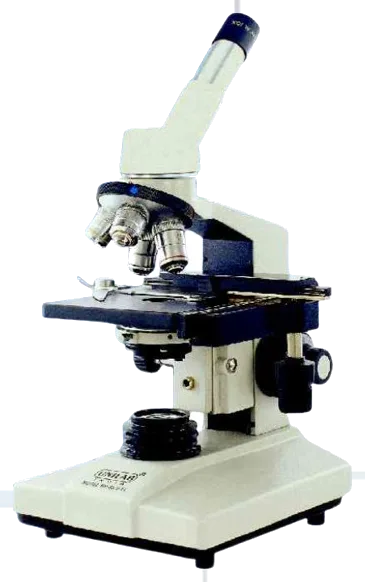
Best for: Clinical & pathology labs
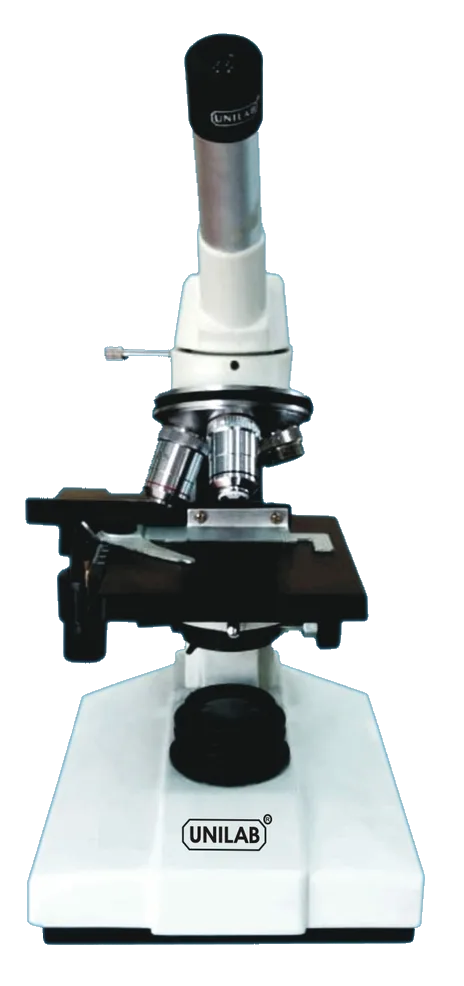
Best for: Clinical & pathology labs
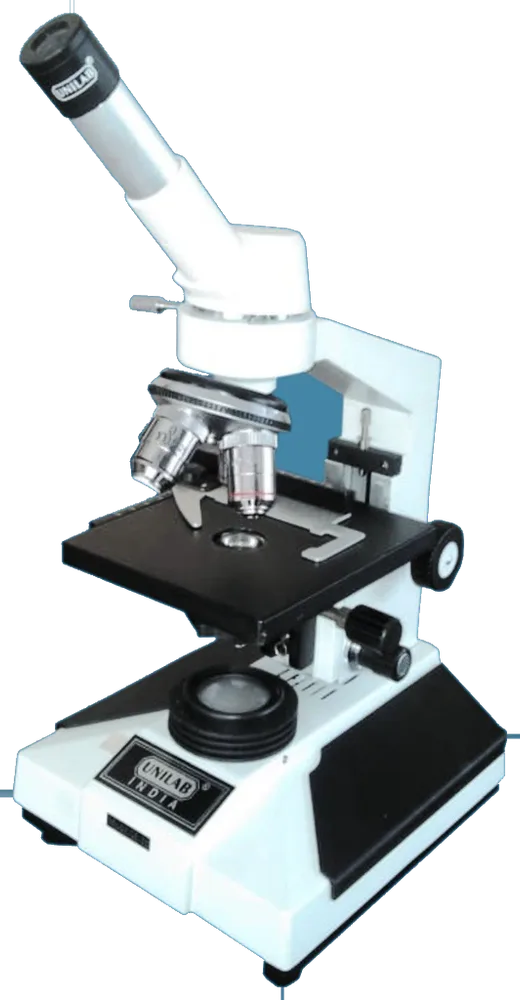
Used to view magnified images of small specimens through a single eyepiece.
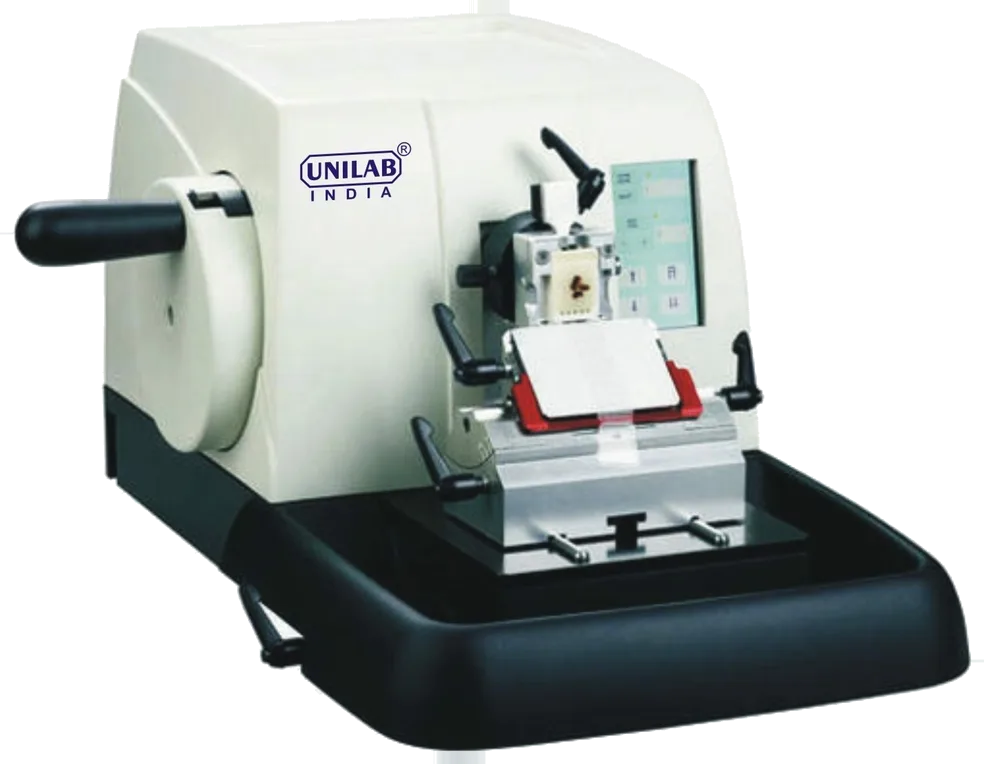
For sectioning of organic tissue into thin sections for microscopic examination of specimens.
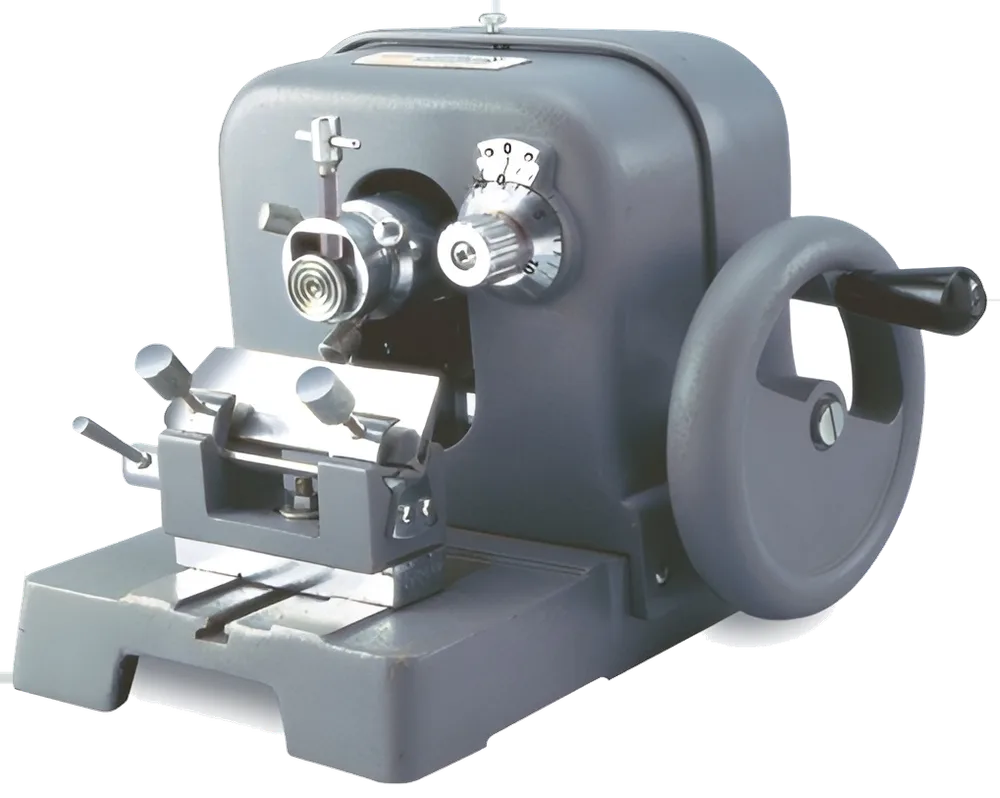
Best for: Rotary microtomes
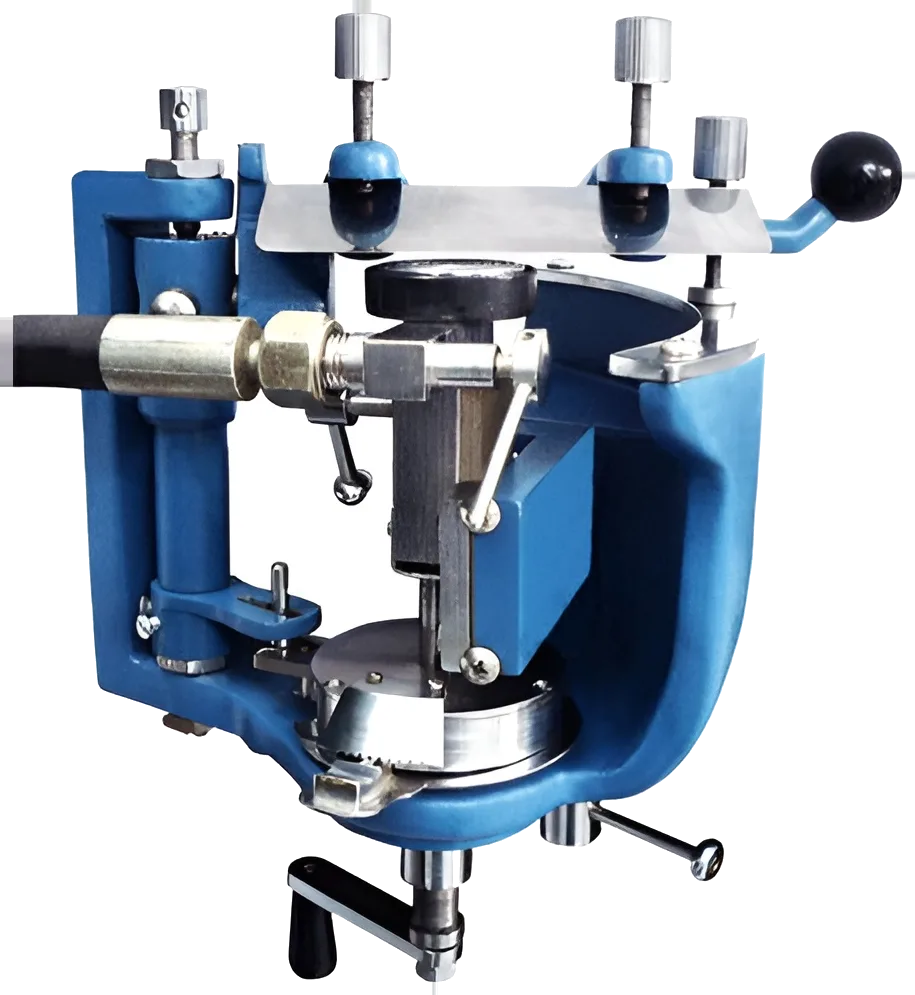
Best for: Specialist microtomes

Best for: Cryostats
Tell us what you are setting up and roughly how many of each. We will suggest a configuration and prepare one quote for the whole list.
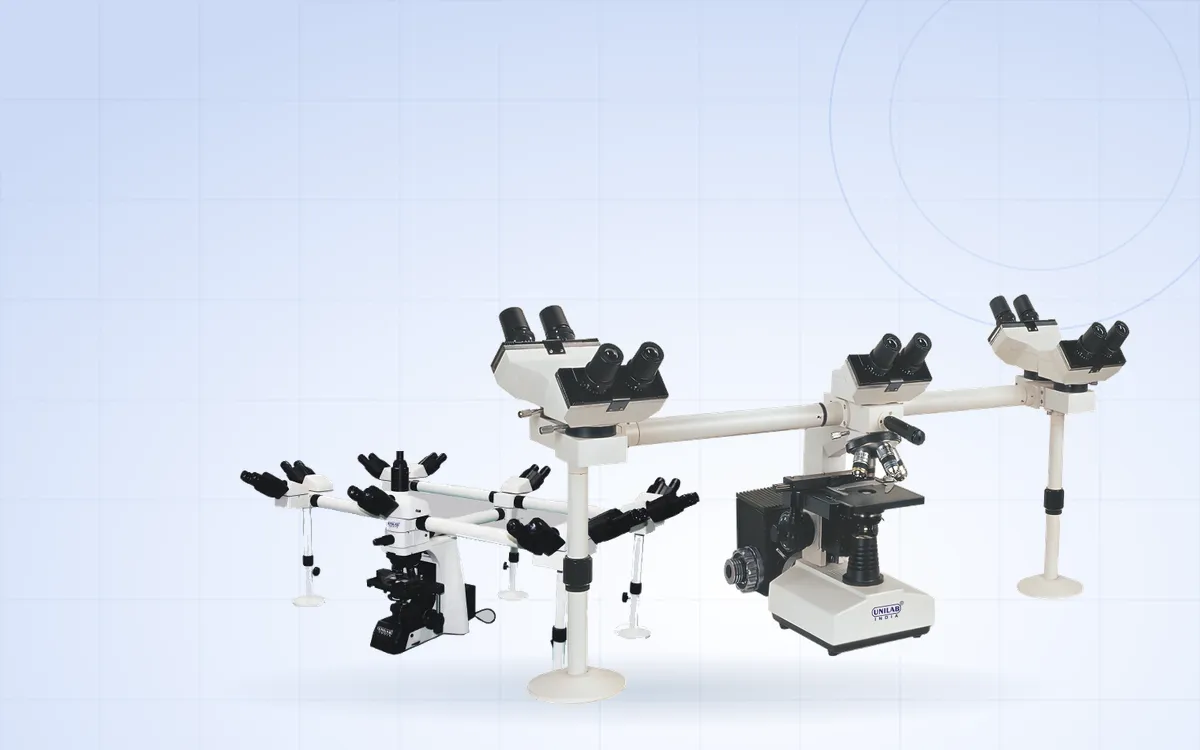
Five or ten people looking at the same field changes how pathology is taught and discussed. What to plan for before you buy one.
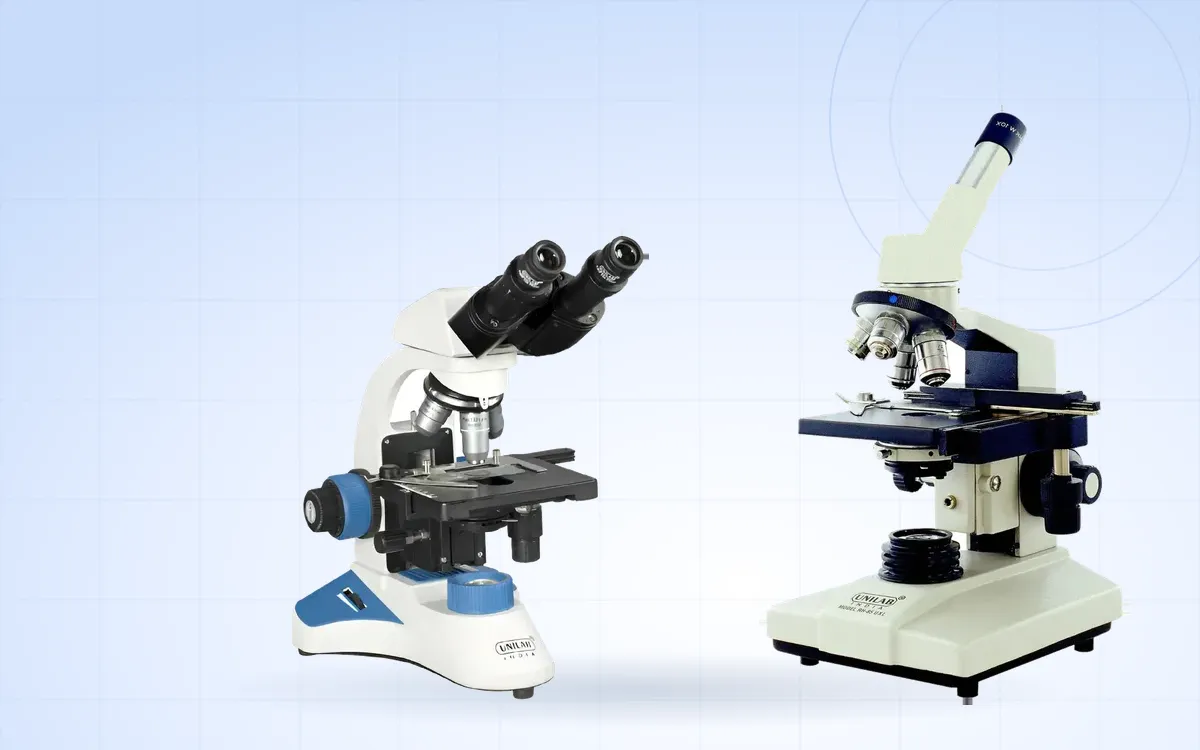
The viewing head changes comfort, cost and what you can do with the image. Here is how the three types compare in daily use.
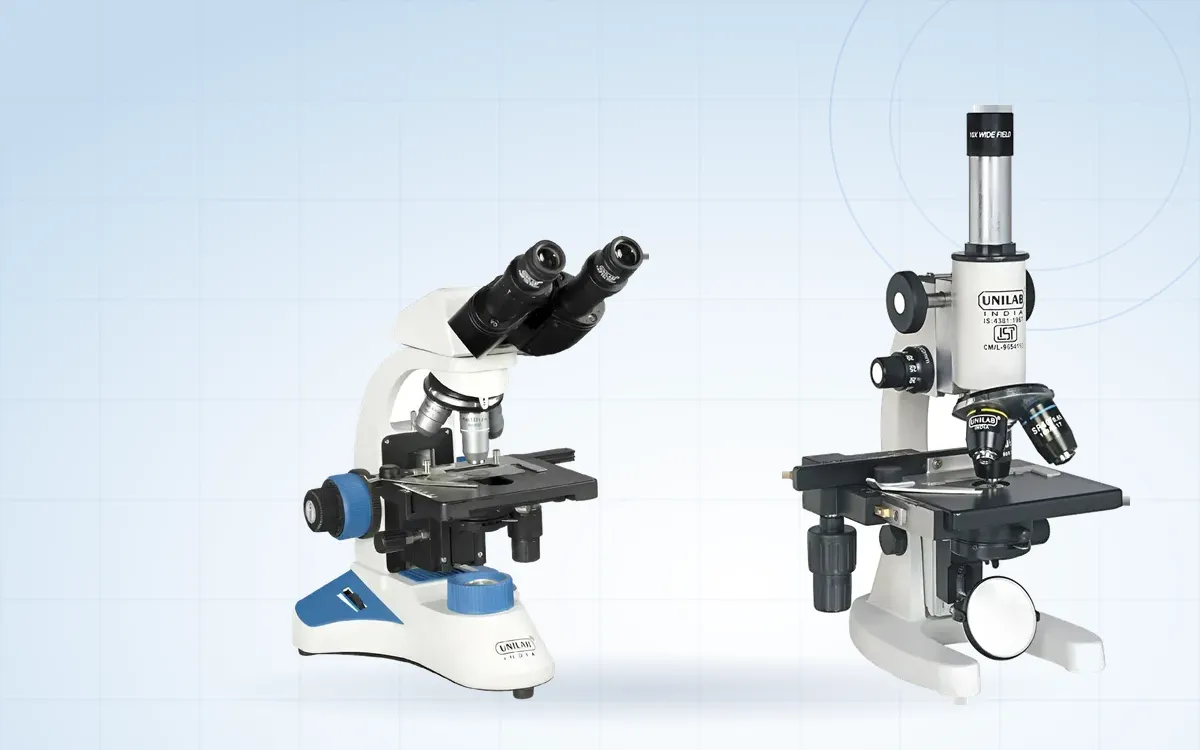
Dust, immersion oil and humidity cause most microscope problems. A few habits at the end of each session prevent nearly all of them.