How to choose a laboratory microscope: eight questions to answer first
Before you compare models or prices, settle these eight questions. They decide most of the specification for you.
A pathology lab needs instruments that are comfortable for hours of slide reading and dependable on the histology bench. These are the models labs most often ask us about, from the reporting microscope to the microtome that cuts the sections.
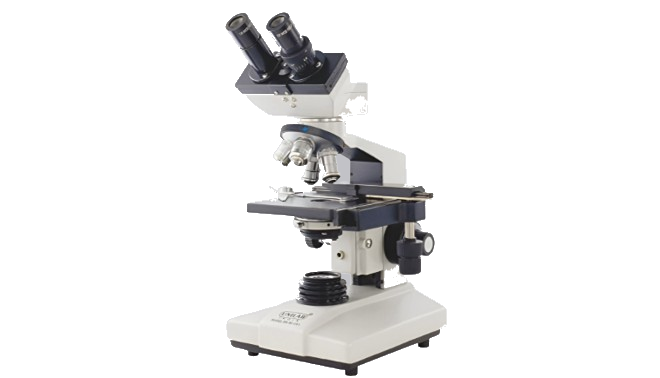
Best for: Research and teaching laboratories
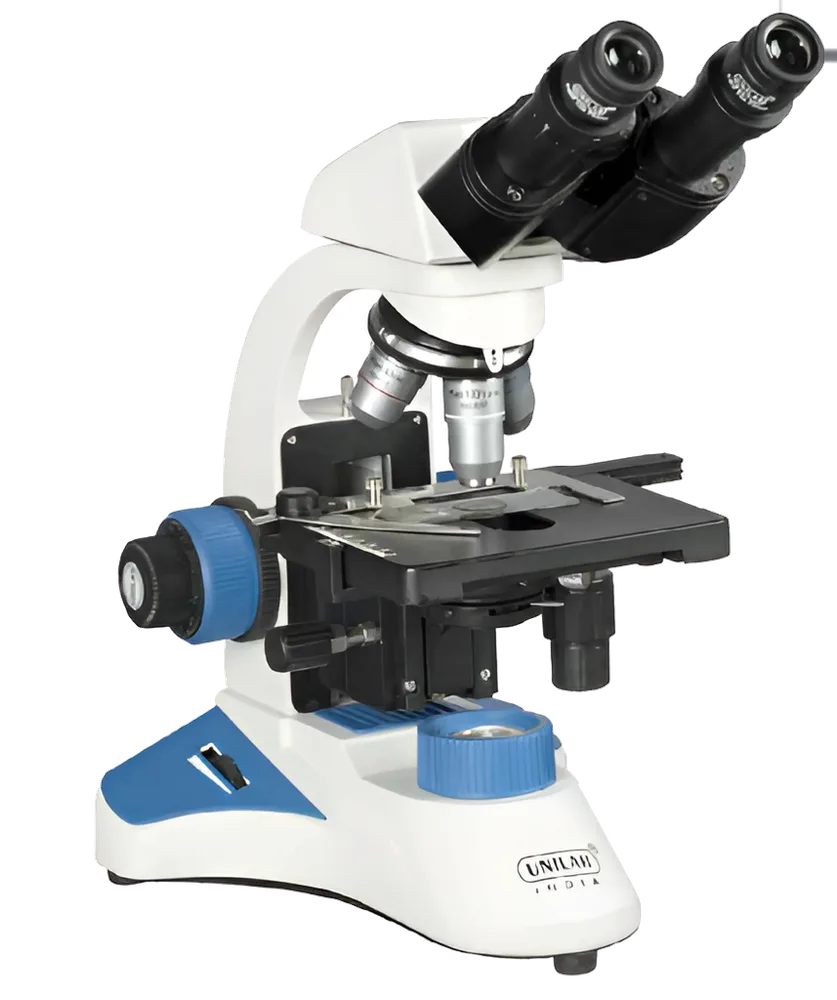
Used for high-precision microscopic examination in research and laboratory applications.
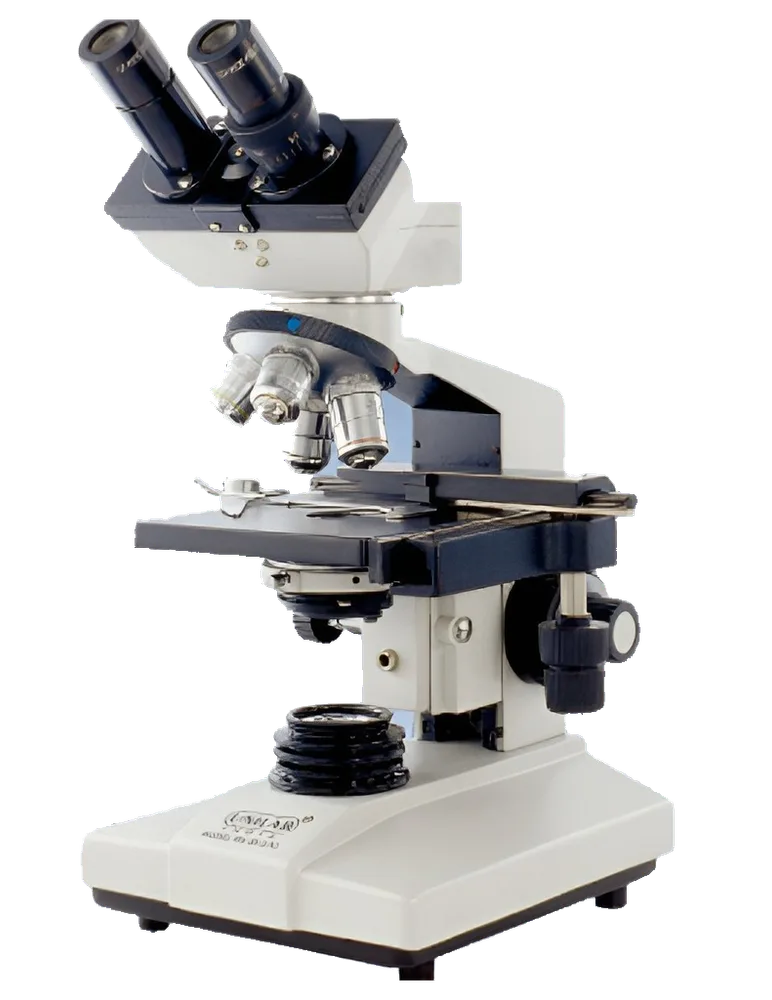
Used for advanced microscopic viewing and imaging in research labs.
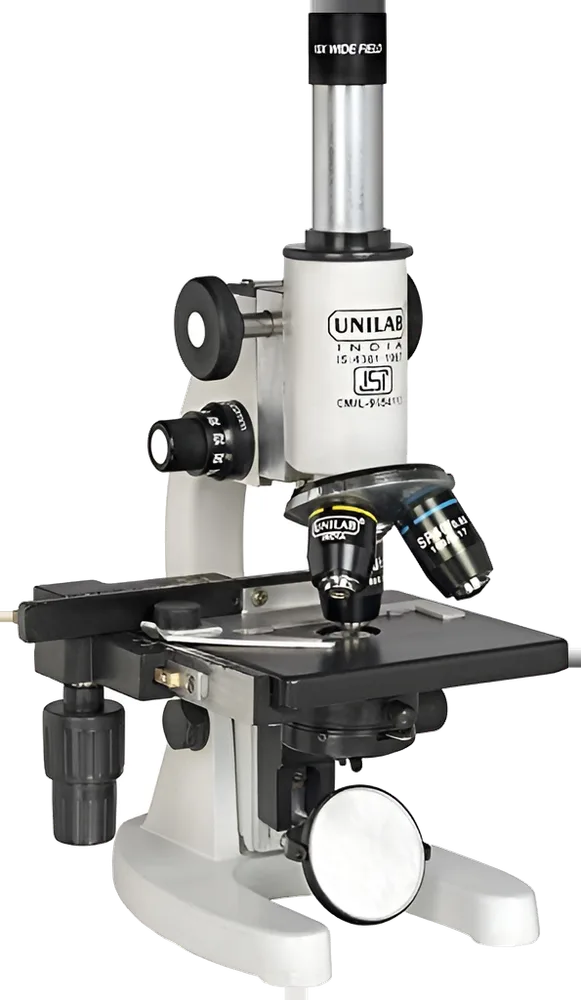
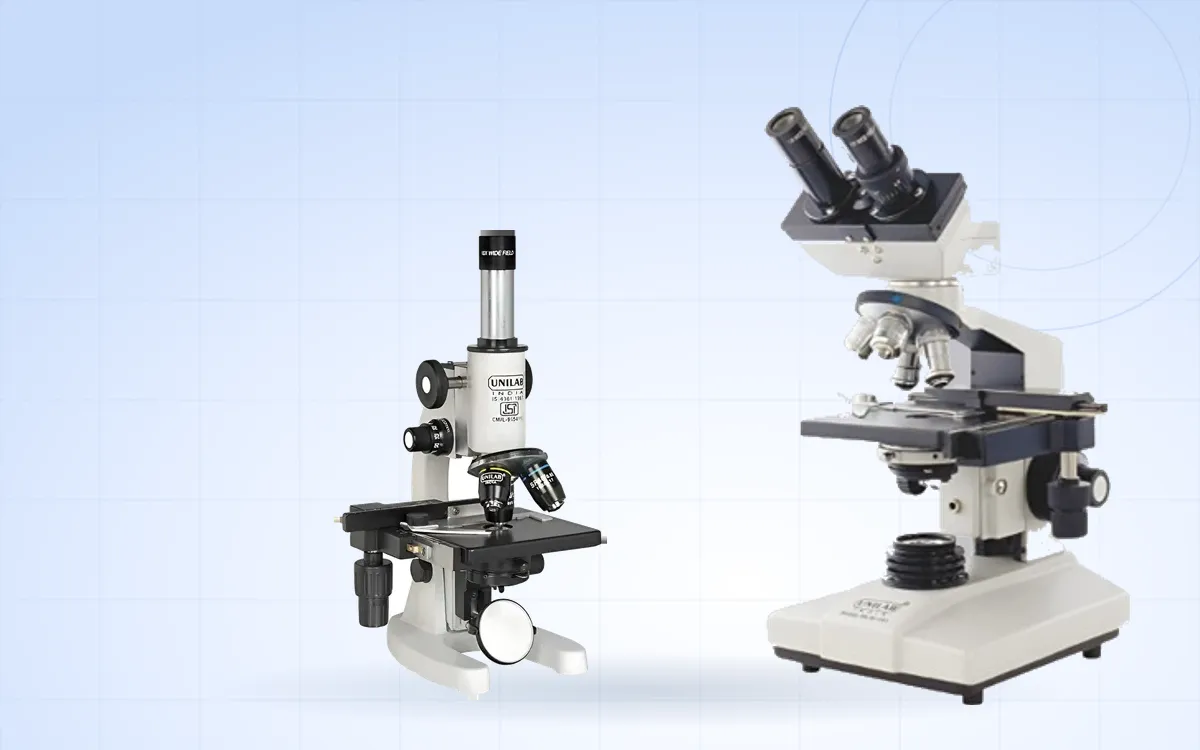
Used for routine clinical examination and detailed analysis of medical specimens in pathology labs
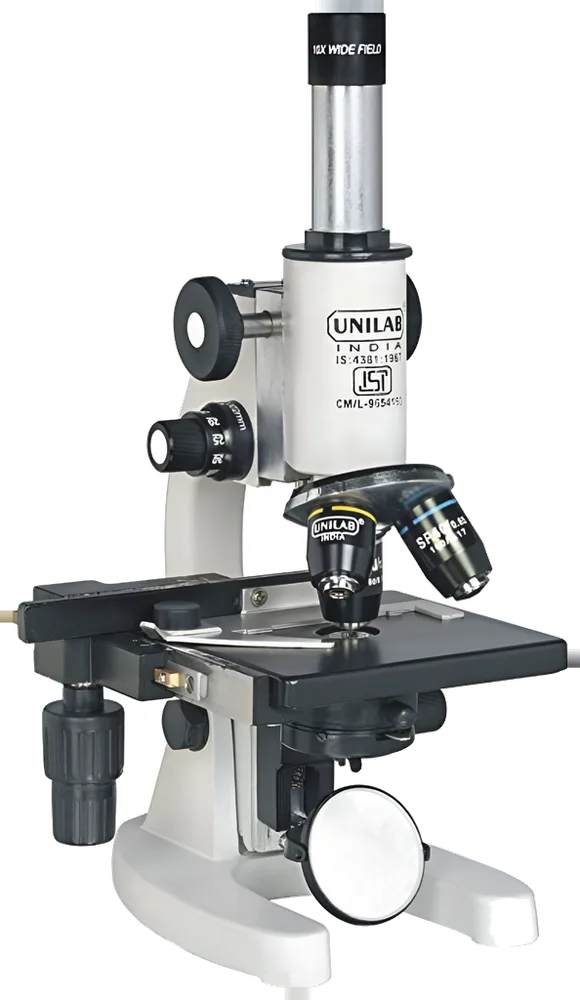
Used for detailed examination of cells and tissues in medical diagnosis.
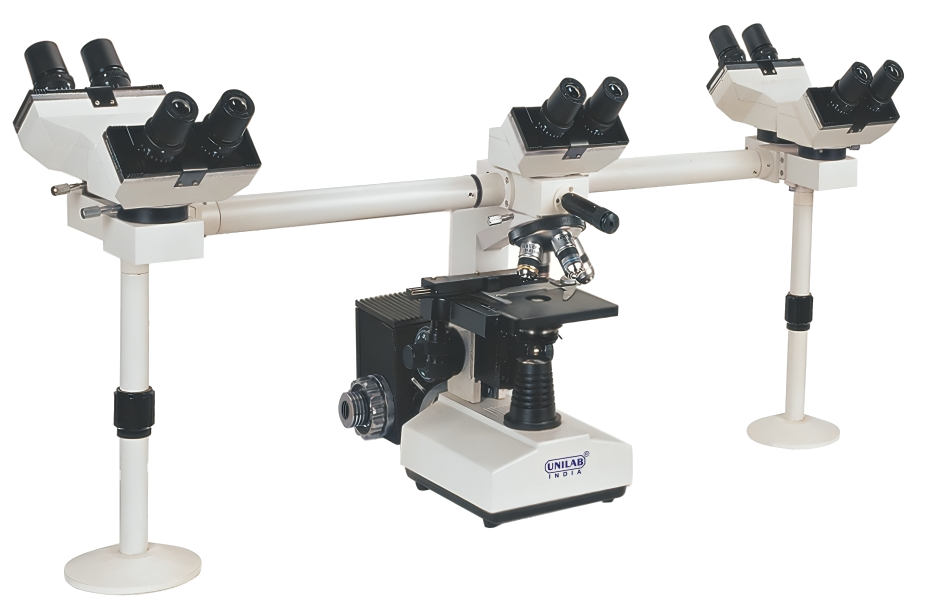
Best for: Teaching, pathology review and case discussion
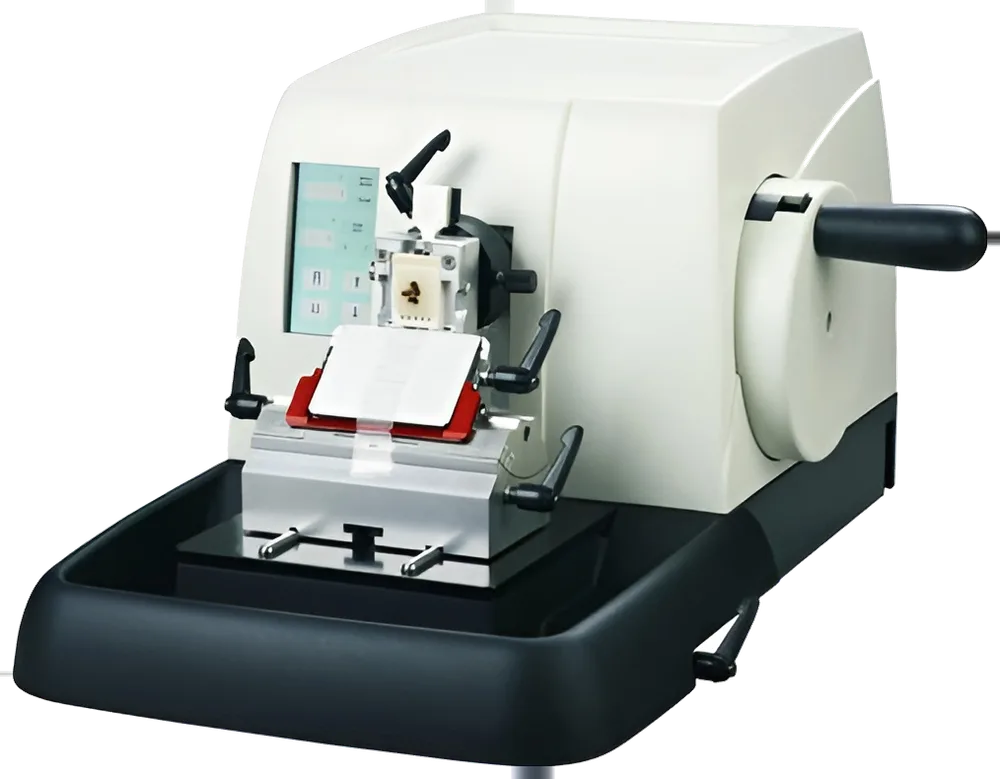
Best for: Rotary microtomes
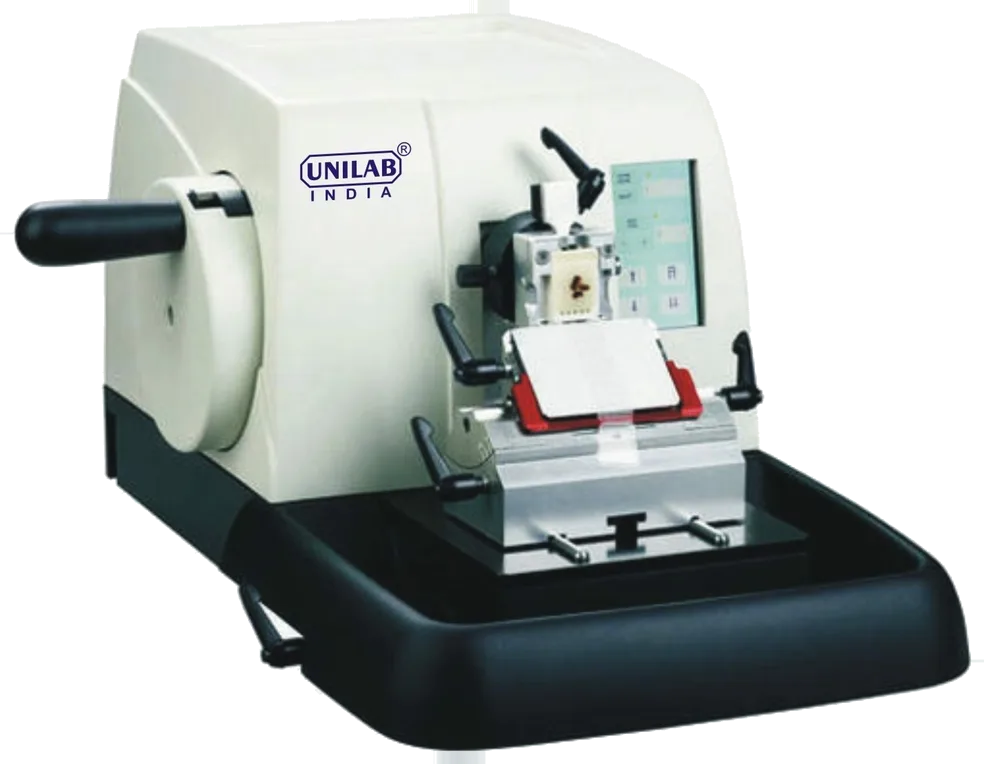
For sectioning of organic tissue into thin sections for microscopic examination of specimens.
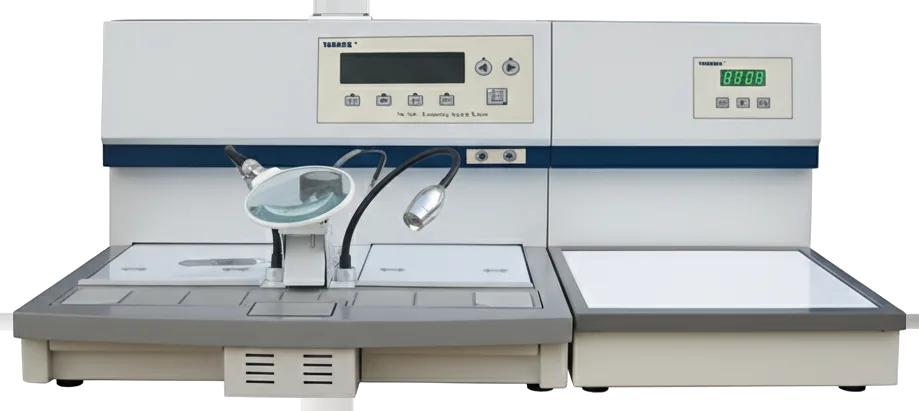
Best for: Tissue processing
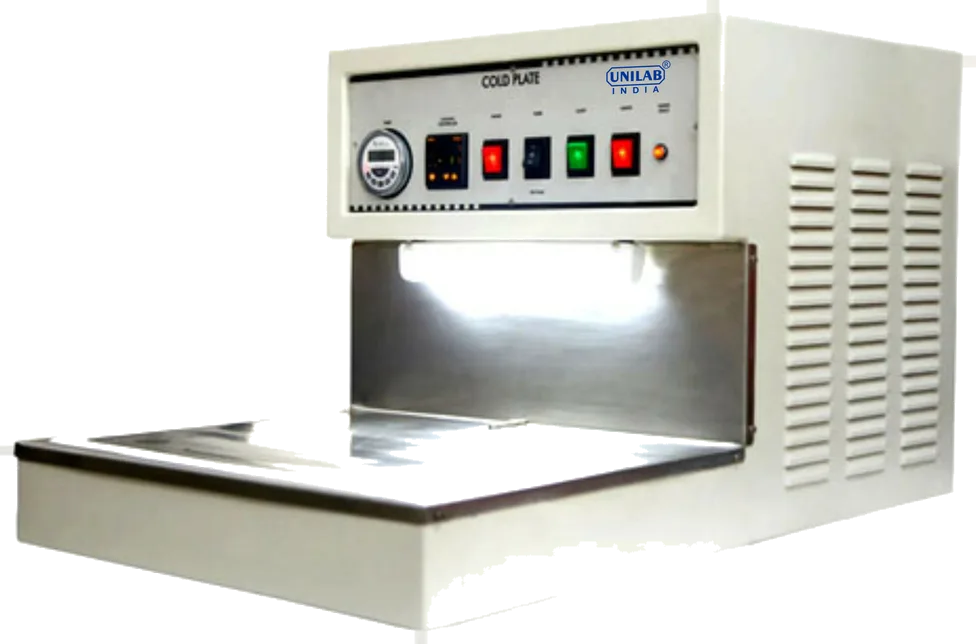
For to be used for the preparation of wax tissue blocks.
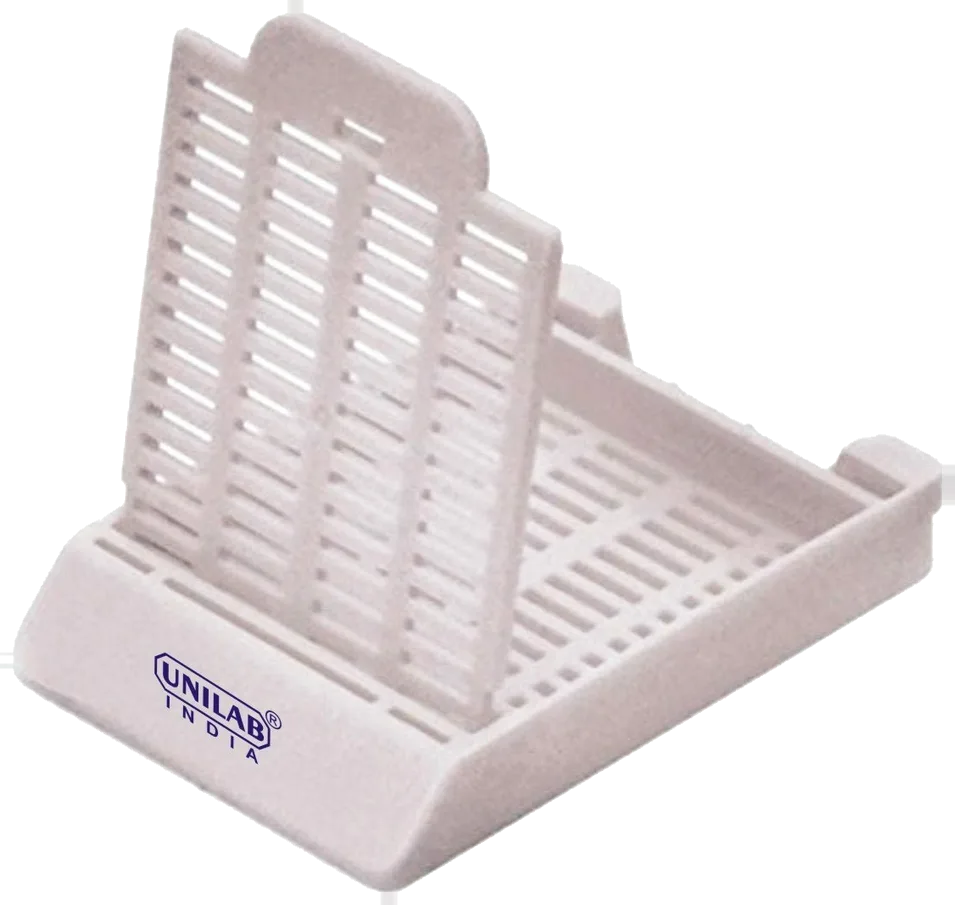
Best for: Consumables
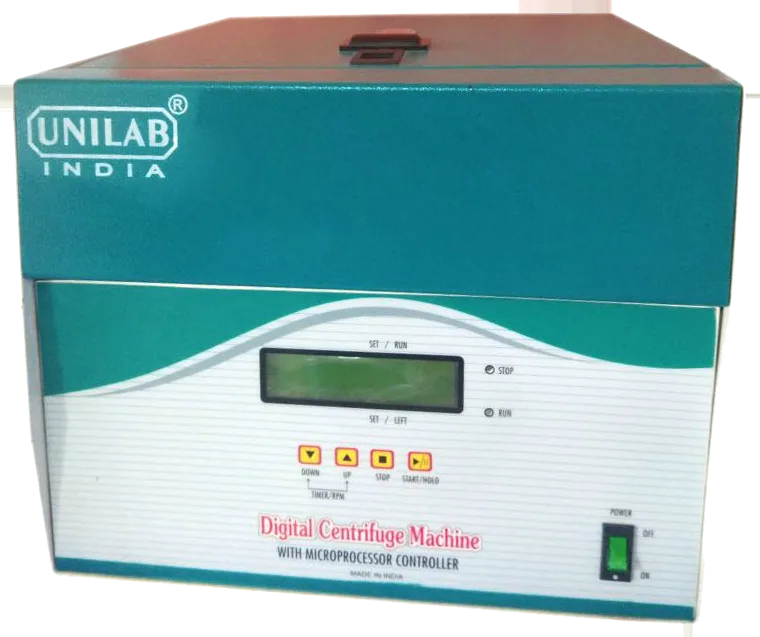
For separating Serum from blood or for urine sedimentation.
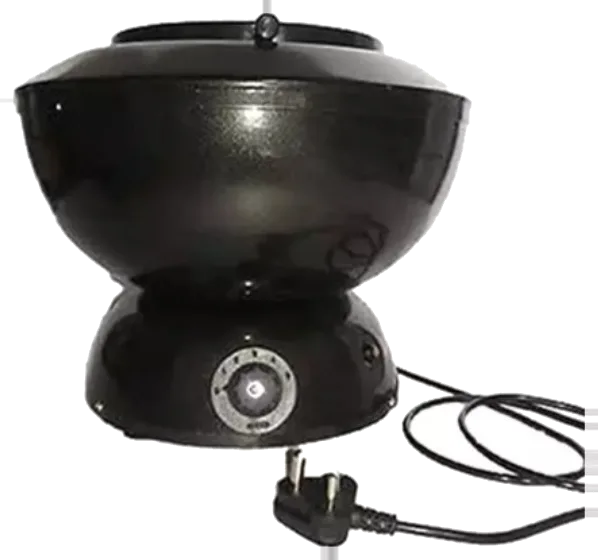
For separating Serum from blood or for urine sedimentation.
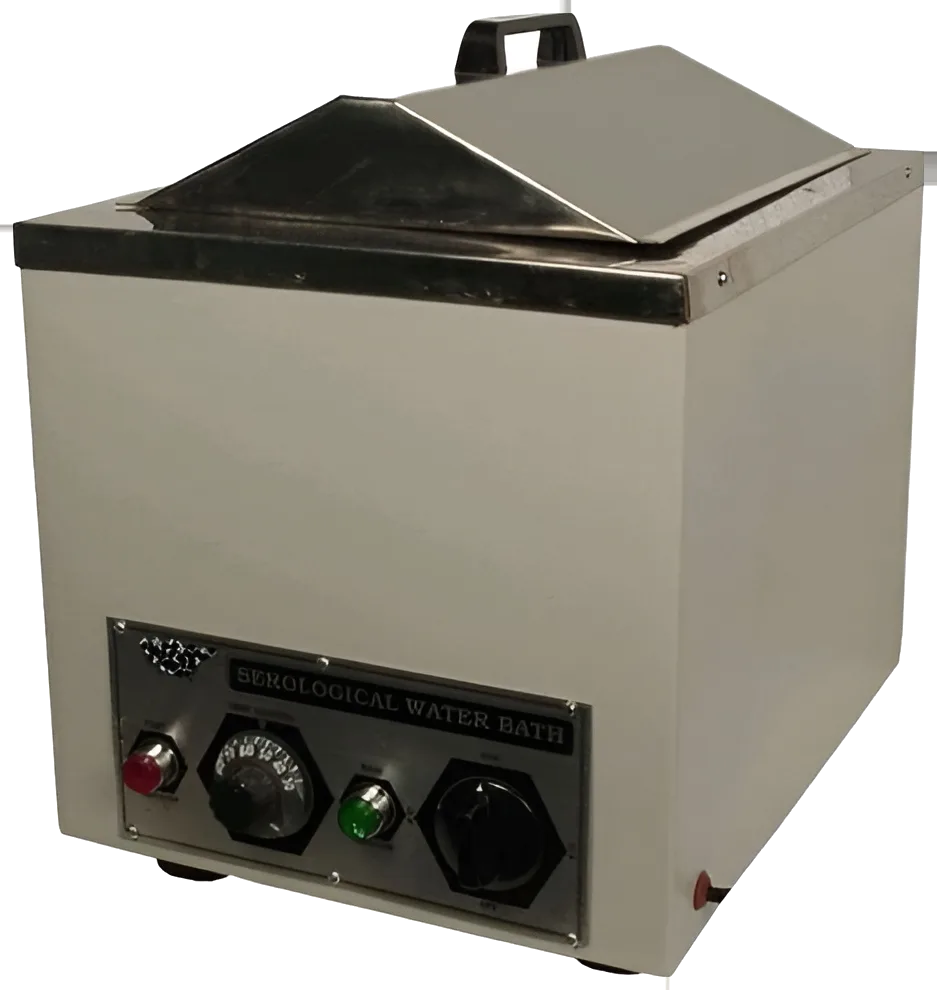
Best for: Water baths
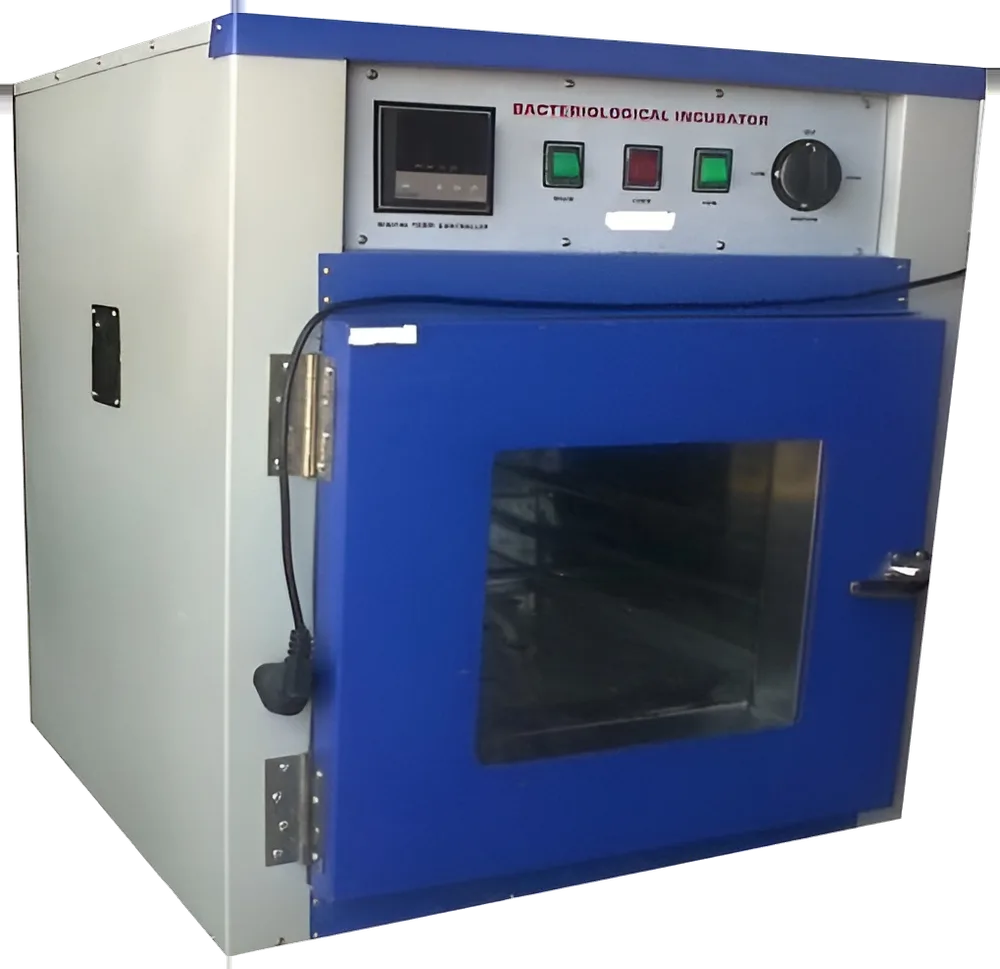
Best for: Incubators
Tell us what you are setting up and roughly how many of each. We will suggest a configuration and prepare one quote for the whole list.
Before you compare models or prices, settle these eight questions. They decide most of the specification for you.
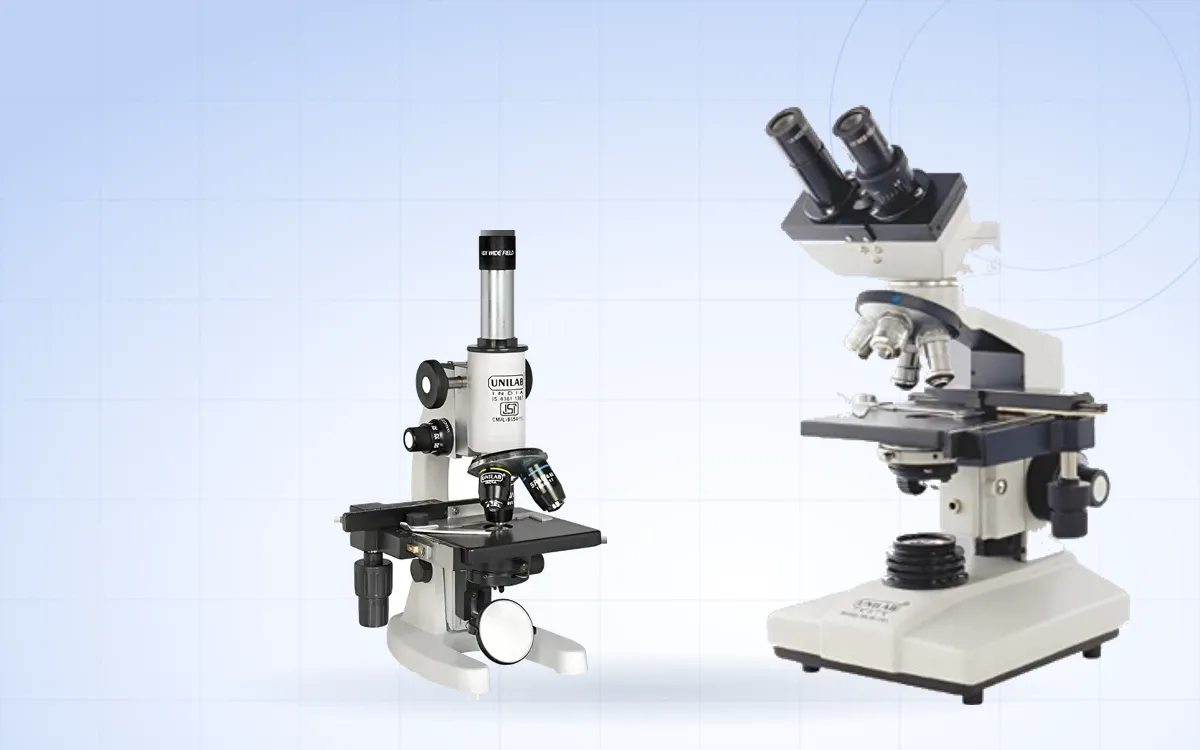
The 100x objective shows the finest detail your microscope can resolve, but only with the right oil, the right order of steps and careful cleaning afterwards.
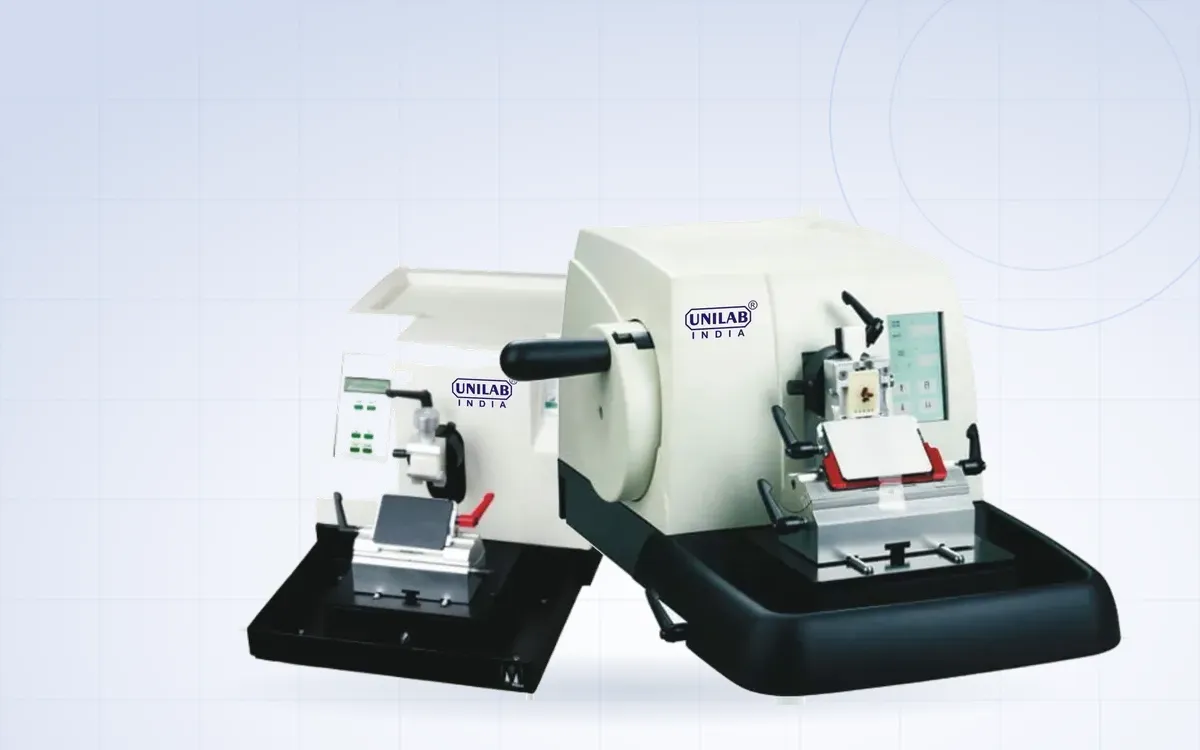
Thick and thin sections, chatter, crumbling ribbons. Most sectioning problems come down to block temperature, blade condition and a few machine settings.

Two centrifuges at the same RPM can spin samples with very different force. How to convert between RPM and g, and a few habits for safe, consistent runs.